Preserve
Organize and care for records, objects, images, family materials, and oral histories connected to Chester.
A planned home for the city’s memory
The YES Center envisions a museum, library, research center, and Black repository within the restored building—a place where residents can encounter, study, preserve, and add to their own history.
From a traveling collection to a permanent home
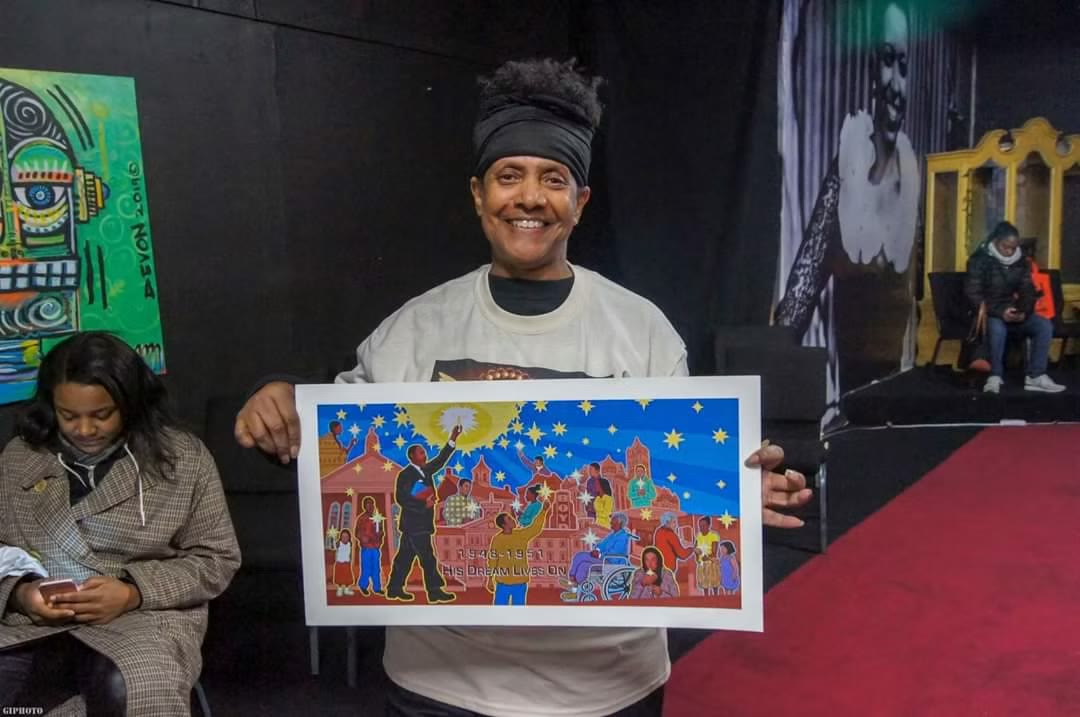
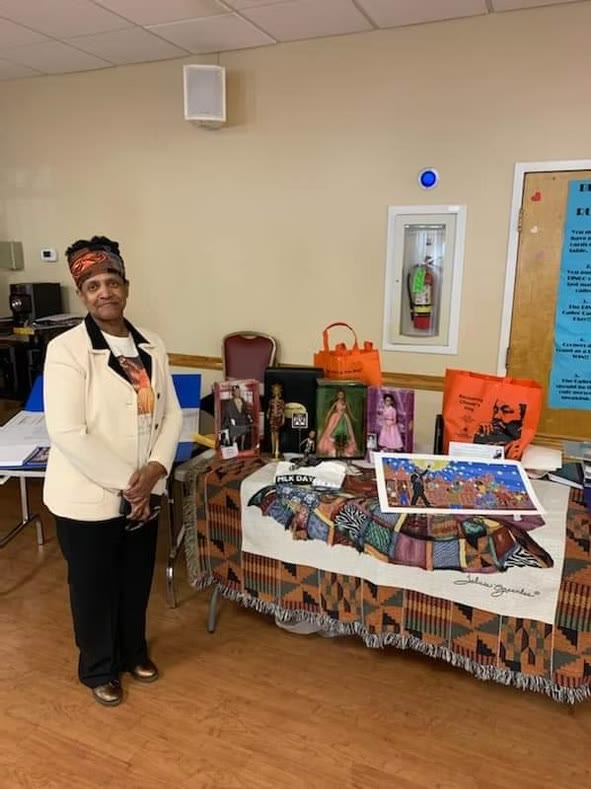
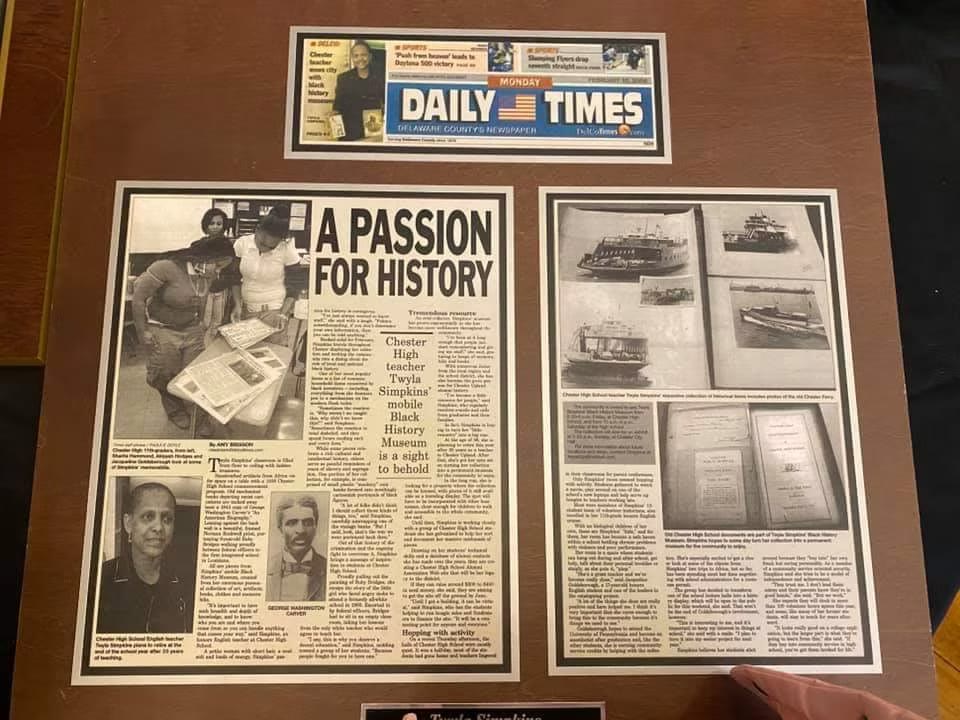
Twyla’s Traveling Black History Museum offers a foundation for the planned Heritage Place Library, Museum, Research Center & Black Repository. The vision is not simply to store material, but to make Chester history visible, usable, and open to contribution.
The documentary gives that future a human scale: one resident describes several trunks of Chester material collected by his father that he hopes Twyla can catalog for the future.
History carried by families and neighborhoods
The collection includes photographs, newspapers, funeral programs, family records, historic objects, artworks, oral histories, and material connected to people and places across the city.
Nothing is published without the contributor’s permission. Cataloging, conservation, loan terms, and public access are handled case by case, and we tell you what we can and cannot care for.
Contribute a story or recordPreserve · interpret · invite
The museum is a living part of the center: a place for research and reflection, but also for making, teaching, listening, and adding new knowledge.
Organize and care for records, objects, images, family materials, and oral histories connected to Chester.
Create reliable descriptions and context so people can find, understand, and connect materials across collections.
Build rotating exhibitions, specialty displays, public programs, and stories shaped with the community.
Welcome students, educators, families, and lifelong learners into Chester’s history through visits and workshops.
Give residents and the Chester diaspora a respectful path to share knowledge, documents, photographs, and memories.
Clear expectations before you share anything
Email a phone snapshot first. Never mail or drop off an original before speaking with the YES Center.
The YES Center will tell you what it may connect to.
If it is relevant, we arrange a scan and a return‑or‑retention process. The contributor keeps the original unless a separate written agreement says otherwise.
Nothing is published or displayed without written permission.
Questions first are always welcome. Ask before you send anything →
What people may encounter
The museum brings personal archives into conversation with the city’s public life. What is shown depends on what the YES Center owns, borrows, receives permission to use, and is equipped to care for.
Educators, artists, veterans, organizers, families, faith leaders, workers, and community builders.
Neighborhoods, institutions, businesses, gathering spaces, sacred sites, and landmarks.
Civil rights, access, education, service, mutual aid, cultural work, and local advocacy.
Clubs, celebrations, photographs, programs, clothing, music, crafts, correspondence, and family memory.
Place changes meaning
Inside the restored YES Center, Chester history can sit within an institution that is itself part of the city’s story. The museum becomes both destination and doorway: a reason to enter, remember, research, gather, and contribute.
See the building plansThe archive grows through trust
Tell the YES Center about a photograph, document, object, place, or story connected to Chester. Getting in touch does not transfer ownership or grant publication rights.
Share a story or record